

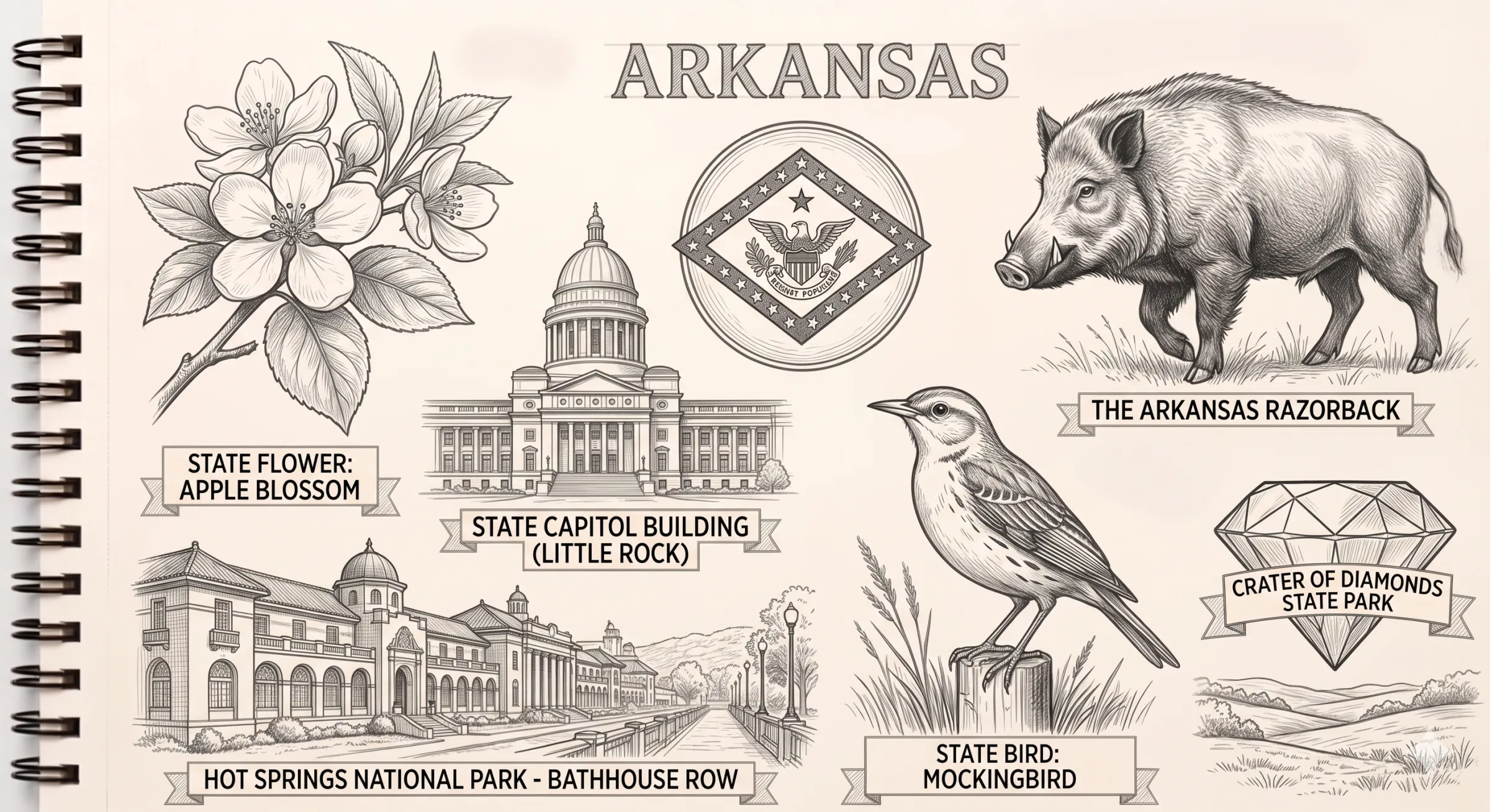
Arkansas Homestead Shells: Single-Story Shell Homes & Barndominiums
Looking for a shell home builder in Arkansas? We design your single-story shell home, quote the insulated EPS SIP panels your builder buys directly from EPS, and help you line up a local Arkansas crew to set it. Solid foam-core walls hold up well in Arkansas humidity.
Free, no forms. Rather talk it through? Book a free call.
HOW A HOMESTEAD SHELL WORKS
A homestead shell is the strong, insulated outside of your home (walls, roof and exterior) set on a slab and weather-tight, ready for the inside to be finished. Same idea as a shell home or barndominium shell, built with SIP panels instead of studs.
We design it
A single-story plan sized to your budget and your land. One level, no stairs, on a slab. You keep the plans no matter what.
Panels ship to your site
Factory-cut EPS SIP panels (walls and roof) are made in Iowa and delivered to your Arkansas job site. DreamStart is an EPS Authorized Dealer.
A local crew sets it
We help you find and vet a builder near your land. You contract with them directly. Once your site, panels and builder are in place, they usually have the shell weather-tight in 3 to 5 days.
BUILDING IN ARKANSAS AT A GLANCE
Panel delivery
Panels ship by truck from the EPS factory in Graettinger, Iowa: about 580 road miles to Fayetteville and Northwest Arkansas, and about 765 miles to Little Rock.
Rural land
Arkansas farm real estate averaged about $4,350 an acre in 2026 (pasture about $3,500), per USDA's statewide average. Land near Northwest Arkansas and Little Rock typically costs more.
Sales tax on materials
Arkansas's state sales tax is 6.5%, and cities and counties add their own local taxes on top. Our calculator includes sales tax on materials by ZIP.
Footings
We design footings at least 36 inches below grade, or deeper if your county requires it. That's well below Arkansas's shallow frost line (Little Rock's code criteria list 12 inches).
The Lineup
Single-Level Homes Built for One-Level Living
Every design is one story, 1,500+ sq ft, on a slab with no stairs. Pick a starting point, then make it yours with your design package.
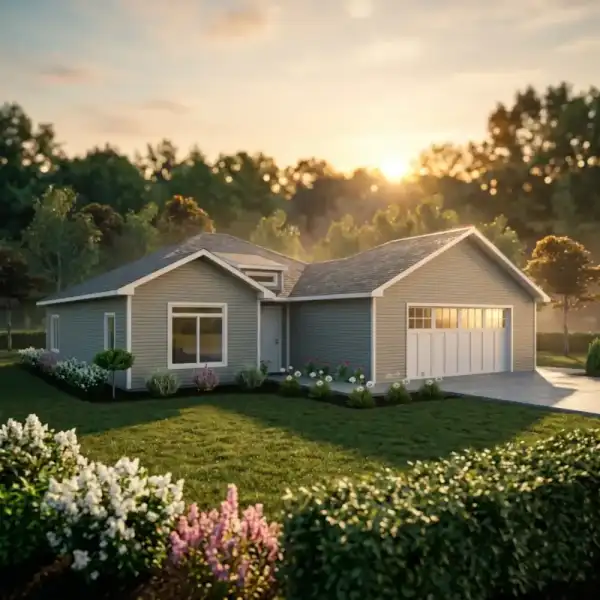
Taylor
1,680 sq ft · one level · 1 bed
Compact, with a 2-car garage
See the Taylor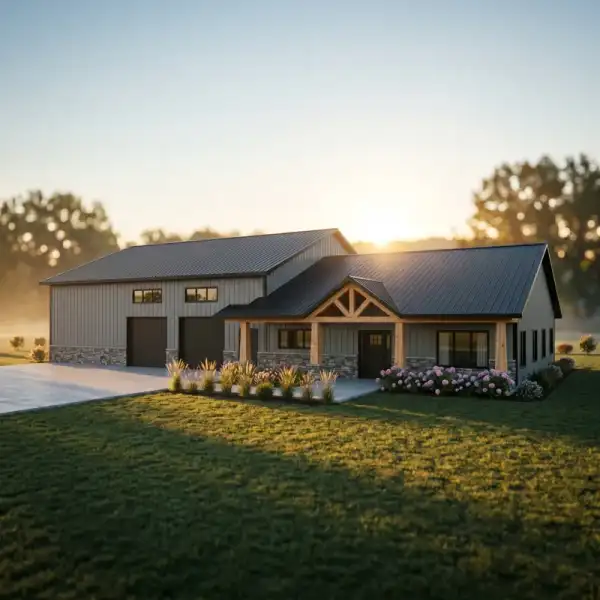
Oak
2,210 sq ft · one level · 3 bed
One level plus a 50x60 shop
See the Oak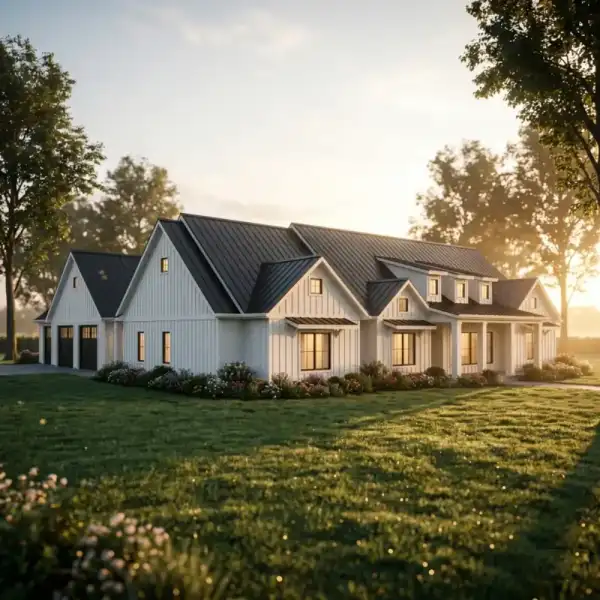
Jackson
2,814 sq ft · one level · 3 bed
Main-floor safe room and office
See the JacksonBUILDING IN ARKANSAS: CLIMATE AND TERRAIN
Arkansas runs from Ozark hills in the northwest to flat, humid Delta in the east and south. Each region brings different conditions to plan for before you break ground.
Ozark and Ouachita Uplands
Around Fayetteville, Fort Smith and Mountain Home the ground is rocky and hilly, and shallow limestone can make slab prep harder. Fast growth in Northwest Arkansas means more local crews have worked with SIPs.
Framed in About Half the Time
An independent RS Means study found SIP framing took 45 to 55% less time than stick-framing the same house. Once your site, panels and builder are in place, a local crew typically has the shell weather-tight in 3 to 5 days.
Humid Delta and Coastal Plain
South and east Arkansas has hot, humid summers and mild winters. SIP walls have a solid foam core with no hollow stud cavities, which leaves less room for humid air to condense inside the wall.
Long Build Season
January averages run about 35 to 44°F depending on the region, so slab pours and shell sets are workable most of the year. Many owners pour a spring slab in March or April and get the shell closed in before summer heat.
Lower Energy Bills
Solid foam-core walls and roof keep summer heat out and winter heat in, so a smaller heating and cooling system can do the job and monthly bills stay low.
ARKANSAS PERMITS: CHECK WITH THE COUNTY
We haven't verified county permit rules for Arkansas, and they change from one county and city to the next. Before you buy land, call the county (and the city, if the land is inside city limits) and ask these questions.
Ask the County (Rural Land)
Ask the City (Inside City Limits)
Your design package includes SIP engineering documentation for your county's permit office. Always confirm current rules with the county before you buy land.
ARKANSAS CITIES WE SERVE
We design for land anywhere in Arkansas. Pick a city for local permit notes and county details.

FINANCING A HOMESTEAD SHELL IN ARKANSAS
You don't need a Missouri lender to work with us. Common paths for Arkansas land:
Lenders such as Arkansas Federal Credit Union and Simmons Bank offer construction loans that are often used for barndominium and shell builds.
Much of rural Arkansas is USDA-eligible. USDA's guaranteed loan offers no-down-payment financing, including a single-close construction-to-permanent loan through approved lenders, for households under the income limit. Check your land on USDA's map.
VA construction loans are another option; ask a VA-approved lender whether your project qualifies.
ARKANSAS QUESTIONS, ANSWERED
Do I need a permit to build a barndominium in Arkansas?+
It depends on where your land is. The Arkansas Fire Prevention Code, adopted by the State Fire Marshal, includes a residential volume that applies statewide, even in rural and unincorporated areas. Building permits and inspections, though, come from cities and from counties that run their own building departments, so the process depends on whether your land is inside city limits and on the county. Check with your city or county before you buy land, and remember septic and other permits may still apply.
Can I finish the inside of my shell home myself in Arkansas?+
Generally yes, if it's your own home. Arkansas contractor licensing has an exemption for building your "own residence," which state rules define as a home built for the owner's own occupancy. State plumbing law exempts plumbing a property owner does in a home they own and live in, and state electrical rules don't require a license for work on your own primary residence, but both let local ordinances require more. Permits and inspections still apply where your city or county has them, and anyone you hire for electrical or plumbing work typically needs an Arkansas license.
How do septic permits work for rural land in Arkansas?+
Septic systems are handled through the Arkansas Department of Health and your county's local health unit. Soil tests and system designs are done by state-certified Designated Representatives, and the Department relies on soil pits to check depth to rock and wet-season groundwater, not just a perc test. A single home on 10 or more acres, with every part of the system more than 200 feet from any property line, can be exempt from the permit, but the system still has to meet state standards. Check with your local health unit before you buy land.
Do I need termite treatment for a slab home in Arkansas?+
Subterranean termites are the main species across Arkansas, and the state's extension service notes they've been seen swarming in every month of the year. Slab-on-ground homes are especially vulnerable, so the University of Arkansas recommends treating the soil with termiticide before the slab is poured. Arkansas State Plant Board rules set how licensed pest control companies do pre-construction treatment, so talk with a licensed company before your pour.
SEE WHAT YOUR ARKANSAS SHELL HOME COSTS
Start with your size. When the number makes sense, the next step is your design.
Arkansas builders and framing crews: join our contractor network to set factory-cut SIP shells.